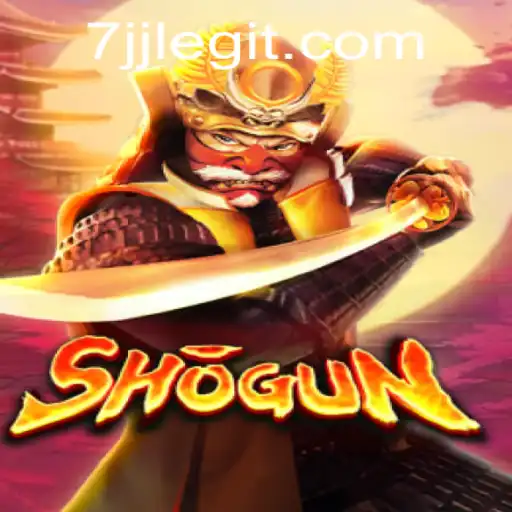
Shogun: A Deep Dive into the Strategy Epic
With a blend of historical intrigue and strategic depth, Shogun has captured the hearts of gamers worldwide. Set in Japan during the tumultuous era of samurai and feudal lords, this game challenges players to navigate political alliances, military strategies, and resource management to emerge as the ultimate ruler of Japan.
The Essence of Shogun
At its core, Shogun focuses on the delicate balance between military might and strategic cunning. Players assume the role of a daimyo, a powerful feudal lord, who must expand their influence by capturing territories and managing resources efficiently. The game board represents the different regions of Japan, each with unique characteristics and strategic value.
Why Shogun Stands Out
Shogun's enduring popularity stems from its blend of deep strategy, historical context, and the element of unpredictability brought about by its dual mechanics of area control and resource management. The inclusion of historical elements not only provides an educational aspect but also enriches the gameplay, making every decision crucial and impactful.
The Introduction of the "7JJ" Keyword
The current talk among Shogun enthusiasts revolves around a new keyword and strategy known as 7JJ. This new strategy has infiltrated the forums and discussions amongst players as a fresh and challenging way to gain an advantage. But what exactly does "7JJ" mean for Shogun?
While traditional strategies focus on incremental expansion and maintaining balance, 7JJ introduces a radical approach that shifts the gameplay dynamics dramatically. Players leveraging 7JJ typically focus on the centralization of resources and a rapid, intensive push to dominate key areas early in the game. This high-risk, high-reward strategy is quickly altering the meta, prompting both veteran and new players to reevaluate their tactics.
A Brief History of Shogun
The inception of Shogun traces back to the early 1980s, where it emerged as an innovative board game capturing the essence of Japan's Sengoku period. The game’s design intricately combines resource management, careful planning, and turn-based combat to replicate the strategic challenges faced by samurai warlords.
Over the decades, Shogun has evolved, with expanded editions and digital adaptations that keep the game relevant in the digital age. These updates often incorporate modern game mechanics and reflect trends from the board gaming community, ensuring that veterans and newcomers find Shogun engaging and challenging.
Exploring Gameplay Mechanics
- Area Control: Shogun's primary mechanic involves players deploying forces across a map of feudal Japan. Each territory provides unique advantages, whether in resources or strategic points, influencing players' decisions on what areas to target.
- Resource Management: Players must judiciously manage resources such as rice and gold. Balancing these resources is crucial for supporting armies and maintaining the loyalty of the populace, which is pivotal for sustained control.
- Strategy Card Play: Shogun introduces strategy cards that players can use to turn the tide of battles or enhance resource accumulation. Knowing when and how to deploy these cards distinguishes seasoned players from novices.
- Tactical Combat: Combat in Shogun requires players to calculate risks and rewards, deciding when to strike and when to retreat. Success in combat often hinges on a player's ability to anticipate opponents' moves and adapt strategies on the fly.
The Rise of Online Communities and Strategy Sharing
The rise of online platforms has significantly influenced the way Shogun is played and discussed. Dedicated forums and video channels have emerged as hotspots for sharing strategy, including deep dives into the 7JJ phenomenon. These communities allow players from around the world to connect, share insights, and refine their approach.
Moreover, digital adaptations have introduced Shogun to a wider audience, allowing fans to engage with the game across devices. This accessibility broadens engagement and invites innovation, as proven by the introduction of unconventional strategies that redefine gameplay.
Current Events and Shogun Championships
In recent months, Shogun has experienced a resurgence in competitive play, leading to the establishment of international tournaments. The Worldwide Shogun Championship attracts top-tier players, with a growing spotlight on those employing the 7JJ strategy. This new focus on tournaments underscores the competitive aspect of Shogun, inviting a fresh wave of players eager to showcase their prowess.
The championship circuit provides an ideal platform for players to test theories such as 7JJ in real-time, reactive environments. Observers note that this new strategy has diversified the game, highlighting the adaptability innate to Shogun’s design.
Adapting to the Evolving Strategy Landscape
For newcomers and veterans alike, understanding and adapting to strategies like 7JJ is becoming essential for success in Shogun. As the strategic landscape evolves, players must remain adaptive, informed, and innovative to stay competitive.
Ultimately, the future of Shogun is as dynamic as the strategies within it, promising engaging gameplay that challenges players to think deeply about history, strategy, and competition.